
What should you prepare before a website design project?
A practical website brief for small businesses: goals, pages, content, assets and the decisions to make before design begins.
Make It Look ·
Start with the customer’s task
Before choosing colours or layouts, write down what a visitor should be able to do. For a local service business that might mean checking whether you cover their area, understanding the service and sending an enquiry. For a shop it might mean finding the right product and placing an order.
Choose one main goal and explain what makes an enquiry useful. A roofing business might need the property location, type of work and photographs. A catering business might need the event date, guest count and venue. These are planning examples, rather than reported results from client projects.
How the project starts at Make It Look
You work directly with Aman Arora, the studio’s founder, from the first conversation to delivery. The initial discussion covers your business, audience, needs, budget, timing and design preferences. Bring your current website and examples of the jobs or orders you want it to support.
The usual process is a proposal, deposit, initial concepts, feedback, final proof and then final payment. The proposal sets out the work agreed for your project. Use it to clarify the pages, features, responsibilities and feedback stages before design begins.
Make a page and content list
List the services you actually deliver. For each, collect a plain-English explanation, the questions customers ask and any genuine examples you can show. Group closely related services together unless customers need substantially different information to choose them.
Then list the supporting pages: about the business, relevant work and contact details. Identify who supplies the copy, photographs and approvals for each page. A missing photograph is manageable when it is known about early; discovering that nobody owns the copy halfway through design can hold up decisions.
What your website scope needs to cover
Make It Look designs and develops websites, from page planning and interface design to responsive layouts and launch preparation. Your quote should identify the pages and features included and who supplies the copy and photography. Content editing, bookings and online payments need clear requirements.
Website handover depends on what you request and what is agreed in your quote. If you need access, training, source files, hosting or ongoing support, discuss those needs before the project starts so the quote can set out what is included.
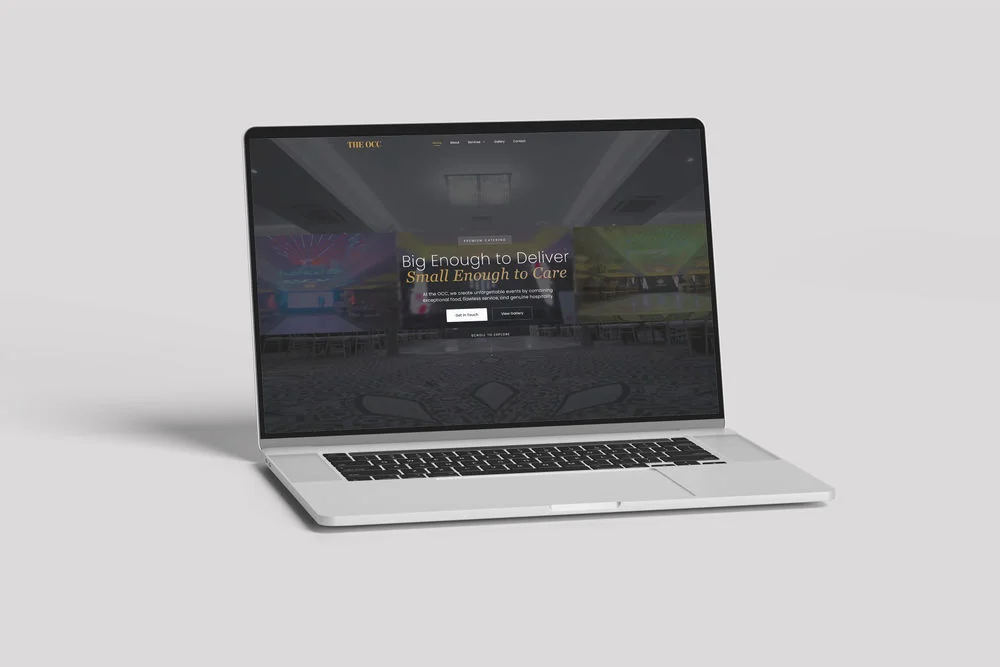
The OCC Events and Catering website brings together services, portfolio work and contact information in responsive layouts. The BiltongBoys project includes a Shopify retail website and separate wholesale tools. These need separate requirements in the brief: what retail customers need from the website, and what the business needs from its wholesale tools.
Bring useful evidence
Collect logos, brand colours, photographs you have permission to use and project examples. If you have customer feedback, check that you can quote it and keep the wording accurate. Avoid turning an attractive redesign into a claim about increased sales unless you have supporting data.
For OCC Events and Catering, responsive layouts, elegant typography and gold accents support the presentation of its services and work. Collecting your own project photographs and service information early gives us useful material to organise and design around.
Explain what the existing website does
Share the current website address and anything that must keep working: forms, bookings, product pages or integrations. Search Console and analytics reports can help identify useful landing pages and customer journeys. Share reports securely; passwords do not belong in a project brief.
When replacing a website, keep a record of important URLs. Decide which pages stay, which change and which need redirects before launch. This gives the designer and developer a clearer starting point than a request to make everything feel more modern.
Set out the decisions before asking for a quote
State your intended launch date, a realistic budget range and who gives final approval. Separate essential features from ideas that can wait. Explain how you want to update the site afterwards, so content editing and support can be scoped appropriately.
A useful one-page brief covers your business, audience, main goal, likely pages, available assets, essential features and approval process. It does not need to prescribe the design solution. Send that outline to Make It Look so we can discuss the work required, the content still needed and the next step.
